
Melasma, Sun Damage, and Post-Inflammatory Hyperpigmentation: What’s the Difference?

Three Types of Hyperpigmentation — and Why the Distinction Matters
Hyperpigmentation is a broad term for any darkening of the skin caused by excess melanin production. But not all hyperpigmentation is the same. Melasma, sun damage (also called solar lentigines or photoaging), and post-inflammatory hyperpigmentation (PIH) have different causes, different patterns, and respond differently to treatment. Applying the wrong treatment to the wrong type of pigmentation can be ineffective at best — and counterproductive at worst.
This guide explains the clinical distinctions between the three, and what those differences mean for treatment selection.
Melasma
Melasma is a chronic pigmentation condition characterised by symmetrical, irregular patches of brown or grey-brown discolouration, most commonly appearing on the cheeks, forehead, upper lip, and chin. It is significantly more common in women and in people with Fitzpatrick skin types III–VI.
The precise cause of melasma is not fully understood, but it is strongly associated with hormonal influences — including oral contraceptives, hormone replacement therapy, and pregnancy (where it is sometimes called chloasma). UV exposure is a major trigger and aggravating factor, as UV radiation stimulates melanocyte activity.
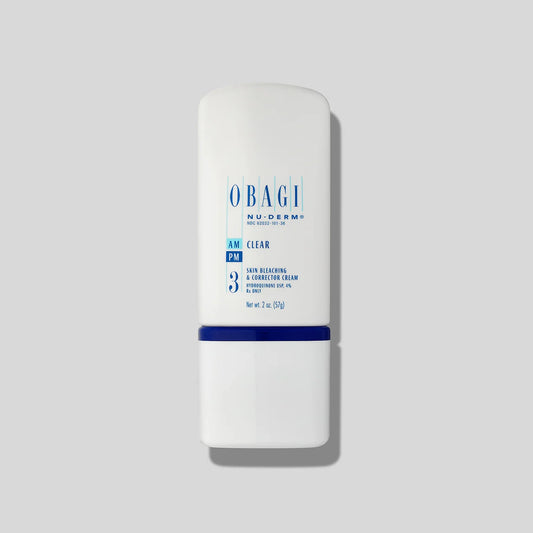
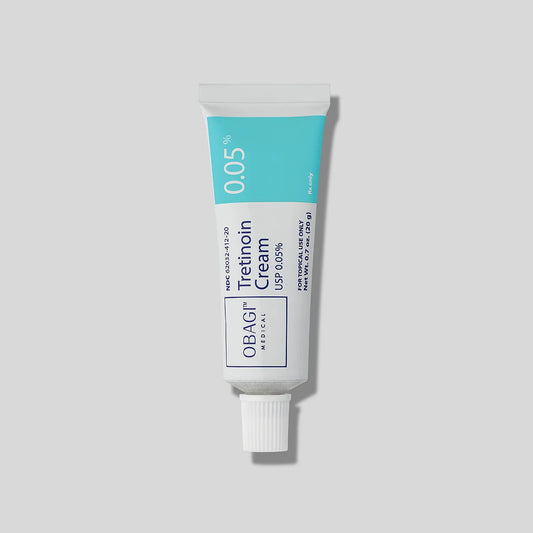
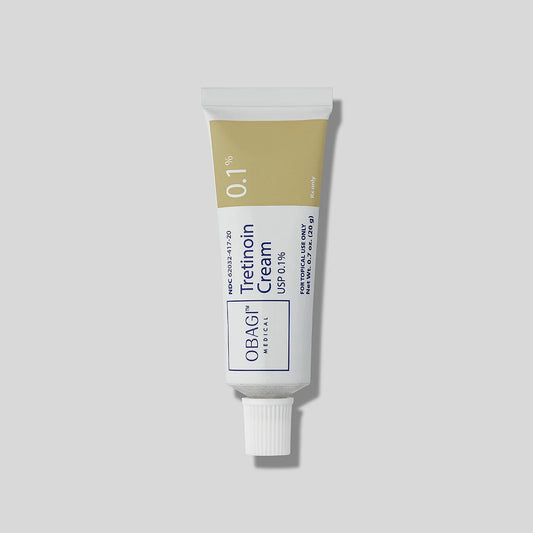
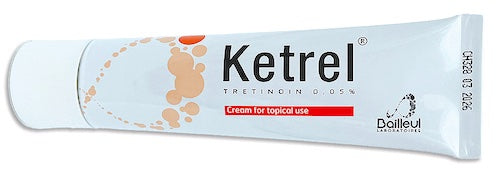
Melasma is one of the most challenging pigmentation conditions to treat because it is chronic and prone to recurrence. Even when successfully faded, it will typically return with UV exposure or hormonal change. Treatment requires a sustained, multi-pathway approach — often combining melanin synthesis inhibitors, cell turnover actives, and rigorous daily SPF. In moderate-to-severe cases, prescription-strength agents such as hydroquinone or tretinoin are indicated.
Key characteristics: symmetrical distribution, hormonally influenced, UV-aggravated, chronic and recurrent.
Sun Damage (Solar Lentigines / Photoaging)
Sun damage refers to pigmentation changes caused by cumulative UV exposure over time. Solar lentigines — commonly called age spots or liver spots — are flat, well-defined patches of increased pigmentation that appear on sun-exposed areas: the face, hands, décolletage, and forearms.
Unlike melasma, solar lentigines are not hormonally driven. They result from localised proliferation of melanocytes in response to chronic UV exposure, and they tend to be more clearly demarcated and uniform in colour than melasma patches.
Sun-damaged skin also presents with broader textural changes — uneven tone, fine lines, loss of elasticity, and surface roughness — that are distinct from the pigmentation changes of melasma or PIH. Treatment typically involves cell turnover actives (retinol, AHAs), antioxidants, and consistent SPF. Response to treatment is generally more predictable than melasma.
Key characteristics: well-defined patches, UV-driven, not hormonally influenced, often accompanied by broader textural changes.
Post-Inflammatory Hyperpigmentation (PIH)
Post-inflammatory hyperpigmentation is pigmentation that develops as a response to skin injury or inflammation. It occurs when the inflammatory process triggers excess melanin production in the affected area. Common causes include acne, eczema, psoriasis, insect bites, burns, and skin procedures (including chemical peels and laser treatments if not appropriately managed).
PIH can affect any skin type but is more pronounced and more persistent in darker skin tones (Fitzpatrick types IV–VI), where the inflammatory response more readily triggers melanocyte activity. In lighter skin tones, PIH tends to appear brown; in darker skin tones, it may appear dark brown, grey, or near-black.
Critically, PIH will not resolve — and may worsen — if the underlying inflammatory cause is not addressed first. Applying aggressive actives to skin with active acne or eczema can intensify inflammation and deepen pigmentation. Treatment requires resolving the primary condition before targeting the residual pigmentation.
Key characteristics: follows skin injury or inflammation, more pronounced in darker skin tones, requires treatment of the underlying cause first.
How to Tell Them Apart
In practice, the three conditions can overlap and co-exist, which is why clinical assessment matters. As a general guide:
- Symmetrical patches on the face with a hormonal history — consider melasma
- Well-defined flat spots on sun-exposed areas in older skin — consider solar lentigines
- Pigmentation that appeared after a spot, rash, or skin procedure — consider PIH
A consultation with a skincare professional is the most reliable way to distinguish between them, particularly when pigmentation is mixed or atypical.
Treatment Implications
The distinction between these three conditions directly determines which actives are appropriate and in what sequence:
- Melasma requires melanin synthesis inhibition (hydroquinone, kojic acid, azelaic acid, ascorbic acid glucoside), cell turnover support (retinol, tretinoin), and non-negotiable daily SPF. Aggressive exfoliation can worsen it.
- Sun damage responds well to retinol, AHAs, and antioxidant-rich formulations. Brightening actives accelerate results. SPF prevents recurrence.
- PIH requires resolution of the inflammatory trigger first. Once inflammation is controlled, brightening actives and retinol can address residual pigmentation. Skin barrier support is essential throughout.
For a detailed overview of how retinol addresses pigmentation across these conditions, see our guide to retinol safety and suitability for every skin type.
Frequently Asked Questions
Can you have more than one type of hyperpigmentation at the same time?
Yes. It is common to have overlapping pigmentation — for example, a patient with melasma may also develop PIH from acne, or have background sun damage. This is why a clinical assessment is valuable: treatment needs to address each component appropriately rather than applying a single approach to mixed pigmentation.
Does SPF help with all three types of hyperpigmentation?
Yes — daily broad-spectrum SPF is relevant to all three. UV exposure triggers and aggravates melasma, causes solar lentigines, and can worsen PIH. SPF is not optional in any pigmentation treatment programme; without it, actives are working against ongoing UV-driven melanin stimulation.
Is hyperpigmentation permanent?
Solar lentigines and PIH can be significantly faded and in many cases resolved with appropriate treatment. Melasma is more persistent and prone to recurrence — it can be managed effectively but requires ongoing maintenance and UV protection to prevent return.
Can skincare alone treat melasma?
Mild melasma may respond to professional-grade skincare containing melanin inhibitors and retinol. Moderate-to-severe melasma typically requires prescription-strength treatment — such as hydroquinone or tretinoin — alongside skincare. A consultation is recommended to determine the appropriate level of intervention.
This article is for informational purposes only and does not constitute medical advice. If you are concerned about a skin condition, consult a qualified healthcare professional or dermatologist.