
Tretinoin vs. Tazarotene: The 2026 Guide to Choosing the Best Prescription Retinoid

Tazarotene is a third-generation synthetic retinoid that has attracted attention in skincare communities as a potential step up from tretinoin. This article examines the clinical evidence for both, explains why tretinoin remains the most appropriate first-line prescription retinoid for most people in the UK, and clarifies when tazarotene might be relevant.
Both tretinoin and tazarotene are prescription-only medicines in the UK. Tazarotene is not routinely prescribed in the UK for cosmetic indications. This article is for educational purposes only.
How they differ: mechanism of action
Tretinoin (first generation) is a naturally occurring retinoid that binds non-selectively to all three retinoic acid receptor (RAR) subtypes. This broad binding produces powerful effects across multiple skin functions — cell turnover, collagen synthesis, melanin dispersal — and is the basis for its wide clinical applicability across acne, hyperpigmentation, fine lines, and photoageing.
Tazarotene (third generation) is a synthetic retinoid engineered to selectively target RAR-beta and RAR-gamma. This receptor selectivity was designed to improve tolerability while maintaining potency. In practice, tazarotene is generally considered more potent than tretinoin at equivalent concentrations — which means faster results in some cases, but also a higher risk of retinoid dermatitis, particularly without established tolerance.
What the clinical evidence shows
Clinical trials have shown tazarotene 0.1% to be at least as effective as tretinoin 0.1% for acne, and in some studies marginally faster at reducing non-inflammatory lesions. For photoageing, studies suggest tazarotene may produce visible improvements in fine lines and mottled pigmentation somewhat earlier than tretinoin. Long-term outcomes for both indications are broadly comparable between the two.
The practical significance of these differences is modest for most patients. Tretinoin at 0.05%–0.1%, used consistently over 12+ months, produces the same quality of results as tazarotene — the difference is primarily in the speed of the initial response, not the endpoint.
Why tretinoin remains the appropriate first choice in the UK
For the vast majority of people seeking prescription retinoid treatment in the UK, tretinoin is the correct starting point — and for most, it remains the correct long-term treatment. The reasons are practical as well as clinical:
- Availability. Tazarotene is not routinely prescribed in the UK for cosmetic indications. It is used in dermatology for psoriasis and severe acne, but access for anti-ageing or pigmentation indications is very limited. Tretinoin is widely available through licensed UK prescribers.
- Evidence base. Tretinoin has decades of clinical evidence across a broader range of indications than any other topical retinoid. Its safety and efficacy profile is the most thoroughly characterised of any prescription retinoid.
- Tolerability management. Tretinoin's adjustment period is well understood and manageable with a gradual introduction protocol. Tazarotene's higher potency means the adjustment period is more demanding — it is not appropriate for those new to prescription retinoids.
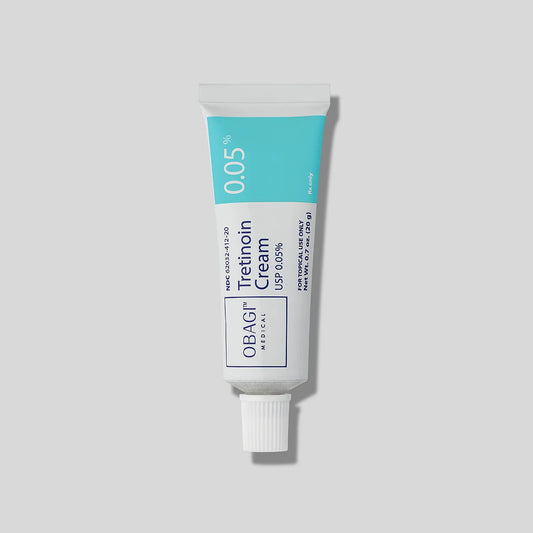
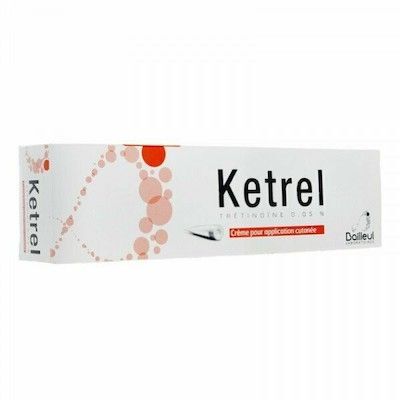
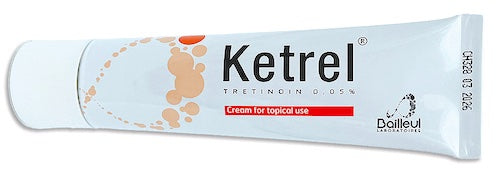
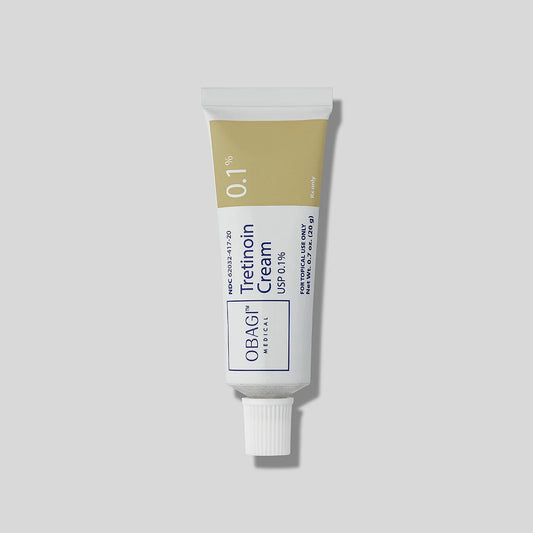
- Formulation range. Tretinoin is available at 0.025%, 0.05%, and 0.1% in both cream and gel formulations, allowing precise titration based on skin type and tolerance. See our guide to tretinoin 0.025% vs 0.05% vs 0.1% for a detailed comparison.
The case for optimising tretinoin before considering alternatives
Many people who feel their tretinoin results have plateaued have not yet reached the full potential of the treatment. Common reasons for suboptimal results include:
- Insufficient duration — meaningful anti-ageing results require 12+ months of consistent use
- Suboptimal strength — remaining at 0.025% when 0.05% or 0.1% would be better tolerated and more effective
- Inconsistent application — skipping nights significantly reduces cumulative benefit
- Inadequate sun protection — UV exposure directly counteracts tretinoin's effects on pigmentation and photoageing
- Not combining with complementary actives — vitamin C in the morning and, where appropriate, hydroquinone, significantly enhance tretinoin's effects
Before considering a switch to a different retinoid, it is worth reviewing these factors with your prescriber. In most cases, optimising the tretinoin protocol produces the improvement being sought.
Frequently asked questions
- Is tazarotene available in the UK?
- Tazarotene is licensed in the UK for psoriasis and acne vulgaris, but is not routinely prescribed for cosmetic indications such as anti-ageing or hyperpigmentation. Access through UK prescribers for these indications is very limited. Tretinoin is the appropriate and widely available alternative for cosmetic prescription retinoid treatment in the UK.
- Is tazarotene stronger than tretinoin?
- Yes — tazarotene is generally considered more potent than tretinoin at equivalent concentrations. This means faster initial results in some cases, but also a higher risk of retinoid dermatitis. For most patients, the difference in long-term outcomes is modest, and tretinoin at an optimised strength and frequency produces equivalent results.
- My tretinoin results have plateaued — what should I do?
- Before considering a different retinoid, review your current protocol with your prescriber. The most common reasons for plateauing are insufficient duration, suboptimal strength, inconsistent application, inadequate sun protection, or not combining with complementary actives such as vitamin C or hydroquinone. Optimising these factors typically resolves the plateau without needing to change the retinoid.
- What is the strongest tretinoin available in the UK?
- Tretinoin is available at 0.1% through licensed UK prescribers — this is the highest concentration routinely prescribed and is appropriate for experienced users with established tolerance. See our guide to tretinoin strengths for more detail.
- Are there other prescription retinoids available in the UK besides tretinoin?
- Adapalene 0.3% is available by prescription and is primarily used for acne. Tazarotene is licensed for psoriasis and acne but not routinely available for cosmetic indications. For anti-ageing, hyperpigmentation, and skin texture, tretinoin remains the most appropriate and accessible prescription retinoid in the UK.