

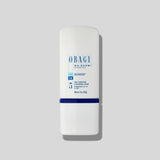
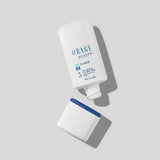
OBAGI - Nu-Derm® 5 Blender Rx
- £110.00
- £110.00
- Unit price
- per
PRODUCT INFORMATION
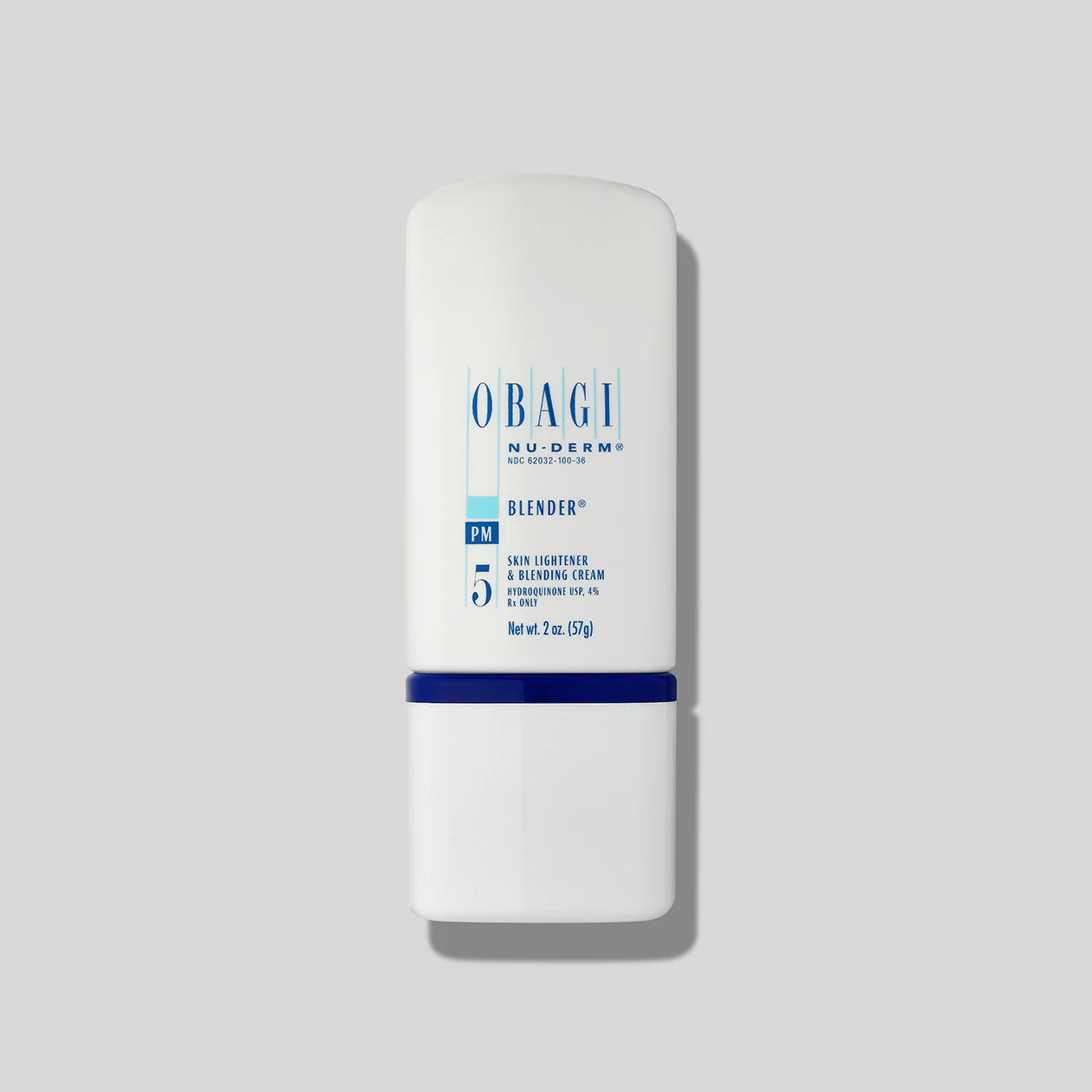
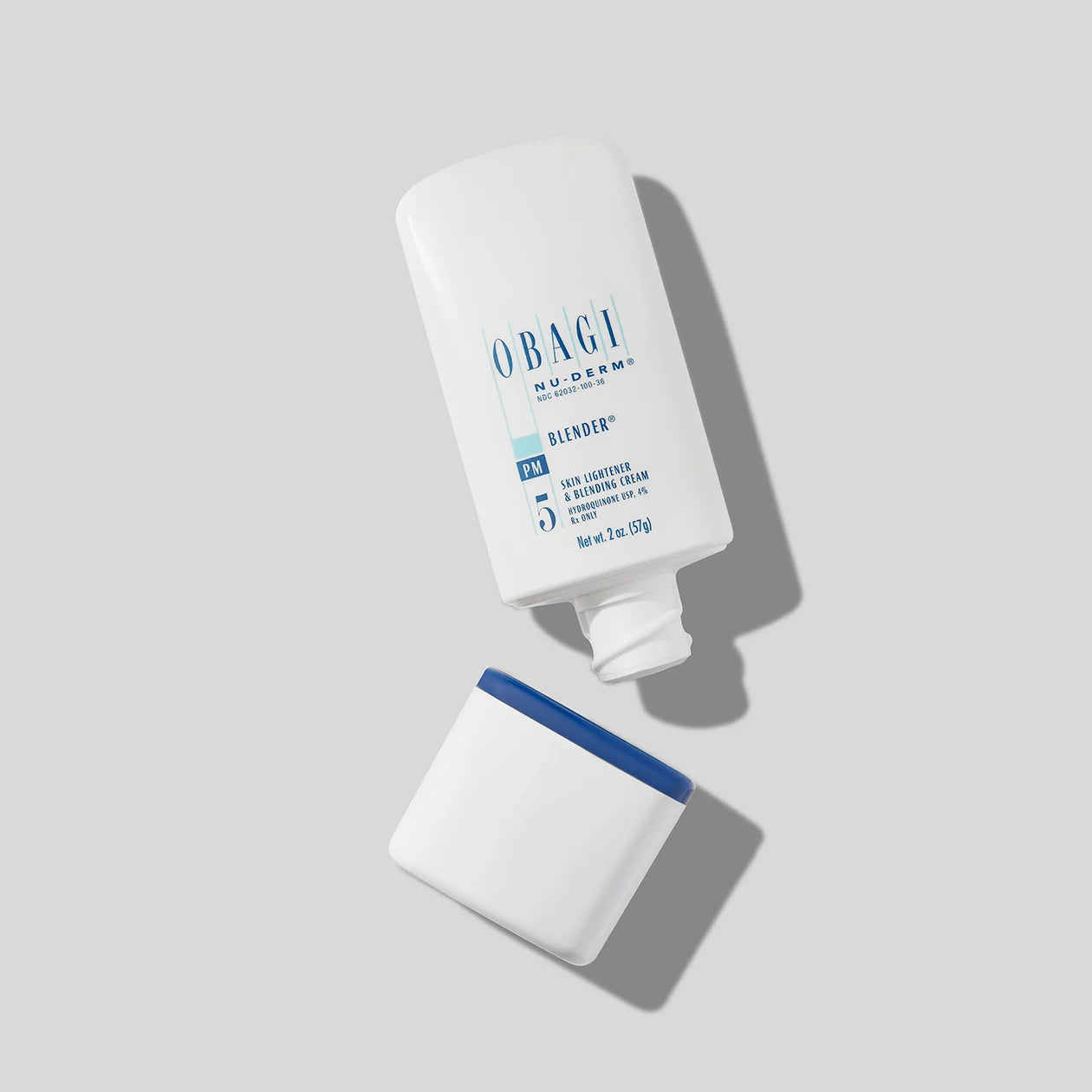
xObagi Nu-Derm® Blender Rx #5 is a 57g topical prescription cream containing hydroquinone USP 4% (40mg/g). It is the number 5 product within the Obagi Nu-Derm system and is labelled as a PM skin-lightening and blending cream.
Obagi Blender is used, when prescribed, for the gradual lightening of melanin-related hyperpigmentation, including melasma, chloasma, freckles and solar or senile lentigines, commonly described as sun spots or age spots. It may form part of a treatment programme that also includes tretinoin, but Blender itself does not contain tretinoin.
Product information
- Product: Obagi Nu-Derm Blender Rx #5
- Active ingredient: Hydroquinone USP
- Strength: 4% w/w, equivalent to 40mg of hydroquinone per gram
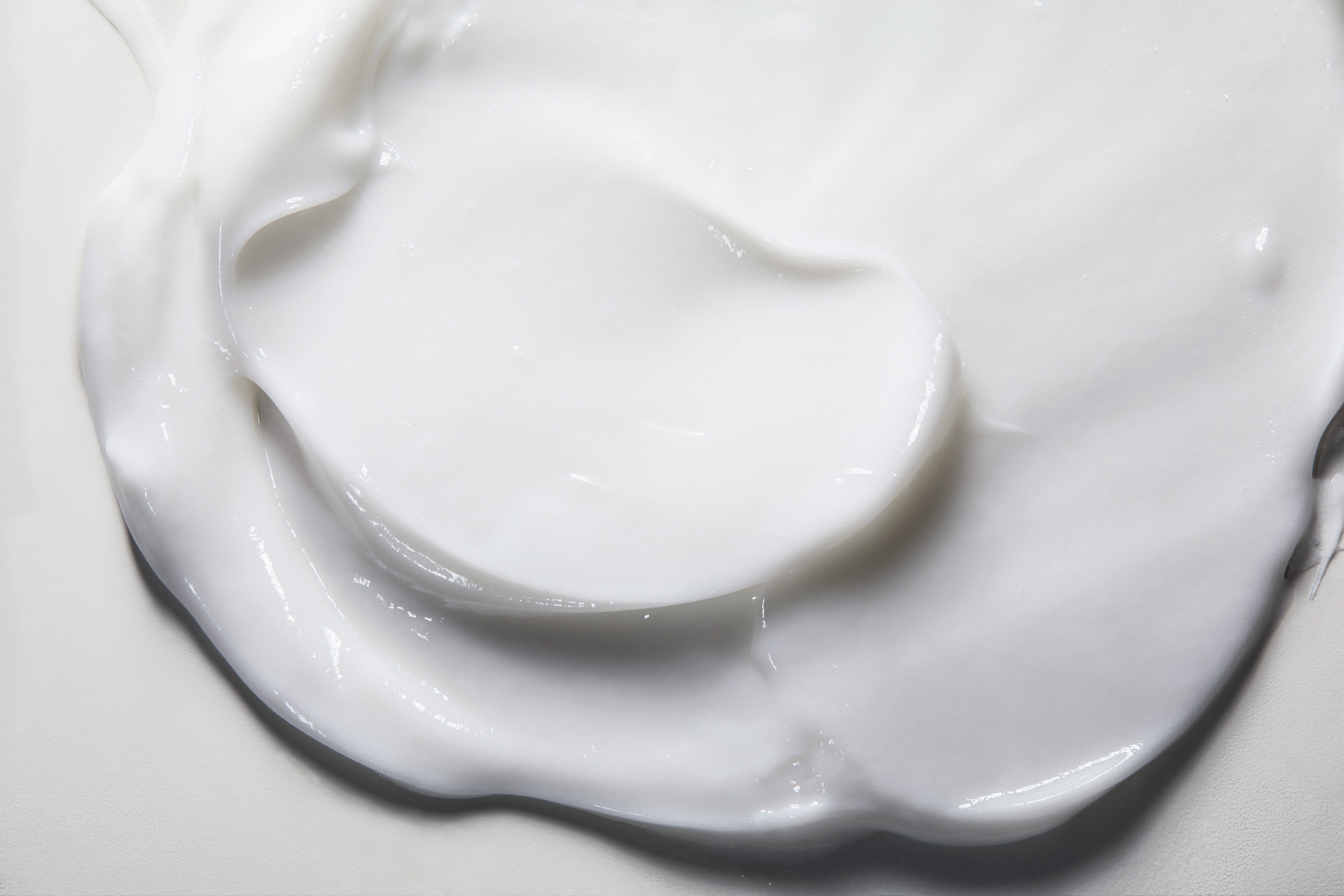
- Formulation: Topical blending cream
- Quantity: 57g / 2oz bottle
- Nu-Derm step: Number 5, marked PM on the bottle
- Route of administration: External topical use
- Prescription status: Prescription Only Medicine
Indication
The prescribing information describes Obagi Nu-Derm Blender as a topical hydroquinone cream for the gradual lightening of hyperpigmented skin conditions. These include:
- Melasma or chloasma
- Freckles
- Solar or senile lentigines, often called sun spots or age spots
- Other unwanted areas of melanin-related hyperpigmentation where hydroquinone has been prescribed
Different forms of skin discolouration can have different causes. Blender should only be used where the pigmentation concern and proposed treatment area have been assessed as suitable for hydroquinone.
How hydroquinone 4% works
Hydroquinone acts on the process through which melanocytes produce melanin. The prescribing information states that topical hydroquinone inhibits the enzymatic oxidation of tyrosine to 3,4-dihydroxyphenylalanine, also known as DOPA, and suppresses other melanocyte metabolic processes.
This produces a gradual and reversible reduction in pigmentation within the treated area. Exposure to sunlight or ultraviolet light can sustain melanocyte activity and contribute to repigmentation, making sun protection an important part of treatment.
Obagi Blender #5 and Clear #3
Obagi Nu-Derm Blender #5 and Obagi Nu-Derm Clear #3 both contain hydroquinone USP 4%, but they are separate formulations with different positions within the Nu-Derm system.
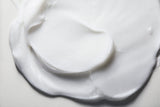
- Blender #5: Labelled as a PM skin-lightening and blending cream. It has a distinct cream base and may be incorporated into an evening programme that also contains a separately prescribed retinoid.
- Clear #3: Labelled as a skin-bleaching and corrector cream and marked for AM and PM use within the Nu-Derm system.
The manufacturer does not state that Blender acts at a “deeper” level than Clear. Selection between them should therefore be based on the prescribed treatment programme rather than unsupported claims about different penetration depths.
Blender Rx and Blend Fx are different products
Blender Rx #5 is the prescription formulation containing hydroquinone 4%. Obagi Nu-Derm Blend Fx is a different, hydroquinone-free cosmetic formulation. The two products have similar names but should not be treated as interchangeable.
Formulation and ingredients
Active ingredient: Hydroquinone USP 4% (40mg/g).
The manufacturer lists the following inactive ingredients for Obagi Nu-Derm Blender:
Water, glycerin, cetyl alcohol, PPG-2 myristyl ether propionate, sodium lauryl sulfate, TEA-salicylate, lactic acid, phenyl trimethicone, tocopheryl acetate, sodium metabisulfite, ascorbic acid, methylparaben, disodium EDTA, propylparaben, saponins and BHT.
Manufacturer formulations and labelling can change. Anyone with a known ingredient sensitivity should check the information supplied with the current bottle before use.
How Obagi Nu-Derm Blender is applied
The Blender bottle is marked as a PM product within the Nu-Derm system. Apply it only according to the directions provided with the individual prescription. The manufacturer’s general prescribing information states that a thin application may be used once or twice daily, or as directed by the prescribing clinician.
- Apply only to the intended treatment area.
- Treatment should be limited to relatively small areas at one time.
- Avoid contact with the eyes, nose, mouth and lips.
- If accidental contact occurs, rinse the area thoroughly with water.
- Use suitable sunscreen and protective measures during treatment and afterwards.
The directions attached to the individual prescription take precedence over general manufacturer information.
Use alongside tretinoin
Obagi Blender may be prescribed within a skincare programme that also contains tretinoin. These remain separate prescription products: Blender contains hydroquinone 4%, while tretinoin is a topical retinoid.
Do not assume that the two creams should be mixed, layered or applied at the same time. The order, amount, frequency and treatment area should follow the instructions provided for the individual regimen.
Response and treatment duration
Hydroquinone produces a gradual response rather than an immediate change in pigmentation. The current prescribing label states that use should be discontinued if no improvement is seen after three months. The appropriate duration and review point depend on the individual treatment plan.
Skin sensitivity and precautions
The manufacturer advises testing for sensitivity by applying a small amount to an unbroken area of skin and checking it within 24 hours. Minor redness may occur. Stop using the product and obtain medical advice if itching, blister formation, an excessive inflammatory response or another sign of hypersensitivity develops.
Transient redness or mild burning can occur, and occasional localised contact dermatitis has been reported. Blender contains sodium metabisulfite, which may cause allergic-type reactions in susceptible individuals. Sulfite sensitivity is reported more frequently in people with asthma.
Do not use the product if you have previously experienced an allergic reaction to hydroquinone or another ingredient in the formulation. The safety of topical hydroquinone during pregnancy and in children aged 12 or under has not been established. Caution is also advised during breastfeeding.
Clinical information
The manufacturer’s prescribing information establishes the active strength, labelled indications, pharmacological mechanism, administration range and precautions for Obagi Nu-Derm Blender.
Published hydroquinone studies may involve different formulations, combinations, treatment periods and patient groups. Results from an individual study should not therefore be presented as product-specific evidence for Blender #5 unless that exact formulation was studied.
Storage
Store at a controlled room temperature of 15°C to 25°C and keep the bottle out of direct sunlight. Follow any additional storage instructions shown on the supplied packaging.
Frequently asked questions
What is Obagi Nu-Derm Blender #5?
Obagi Nu-Derm Blender #5 is a 57g prescription topical cream containing hydroquinone USP 4%. It is positioned as the number 5 PM blending product within the Obagi Nu-Derm system.
What does the number 5 mean?
The number 5 identifies Blender’s position within the Obagi Nu-Derm system. It does not refer to the hydroquinone concentration, which is 4%.
Does Obagi Blender contain hydroquinone?
Yes. Obagi Nu-Derm Blender Rx contains hydroquinone USP 4%, equivalent to 40mg of hydroquinone in each gram of cream.
Does Obagi Blender contain tretinoin?
No. Blender contains hydroquinone 4% and does not contain tretinoin. Tretinoin is a separate prescription medicine that may be included in the same treatment programme when directed.
Can Obagi Blender and tretinoin be used together?
They may be prescribed within the same skincare programme, but they should only be combined, layered or applied on the same schedule when this has been specifically directed. Follow the instructions supplied for the individual regimen.
What is the difference between Obagi Clear and Blender?
Both prescription products contain hydroquinone 4%, but they use different cream bases and occupy different positions within the Nu-Derm system. Clear is product number 3 and is marked AM and PM, while Blender is product number 5 and is marked PM.
Is Blender Rx the same as Blend Fx?
No. Blender Rx contains prescription hydroquinone 4%. Blend Fx is a separate hydroquinone-free cosmetic formulation.
What is Obagi Blender used for?
The manufacturer describes it as a topical cream for gradually lightening hyperpigmented conditions such as melasma, chloasma, freckles, solar or senile lentigines and other unwanted areas of melanin hyperpigmentation.
How often is Obagi Blender applied?
The bottle is marked PM within the Nu-Derm system. The manufacturer’s general prescribing information states that a thin application may be used once or twice daily or as directed. Follow the frequency specified on the individual prescription.
How long does hydroquinone take to work?
The response is gradual and varies according to the pigmentation condition and individual skin response. The manufacturer states that treatment should be discontinued if no improvement is seen after three months.
Why is sunscreen important when using Blender?
Ultraviolet exposure can sustain melanocyte activity and encourage pigmentation to return. Sunscreen and other protective measures are therefore an important part of hydroquinone treatment.
What should I do if Blender causes irritation?
Mild transient redness or burning can occur. Stop applying the product and obtain advice if there is itching, blistering, excessive inflammation, persistent irritation or another suspected allergic reaction.
Further ingredient information
Hydroquinone: UK status, formulations and product information
- Choosing a selection results in a full page refresh.